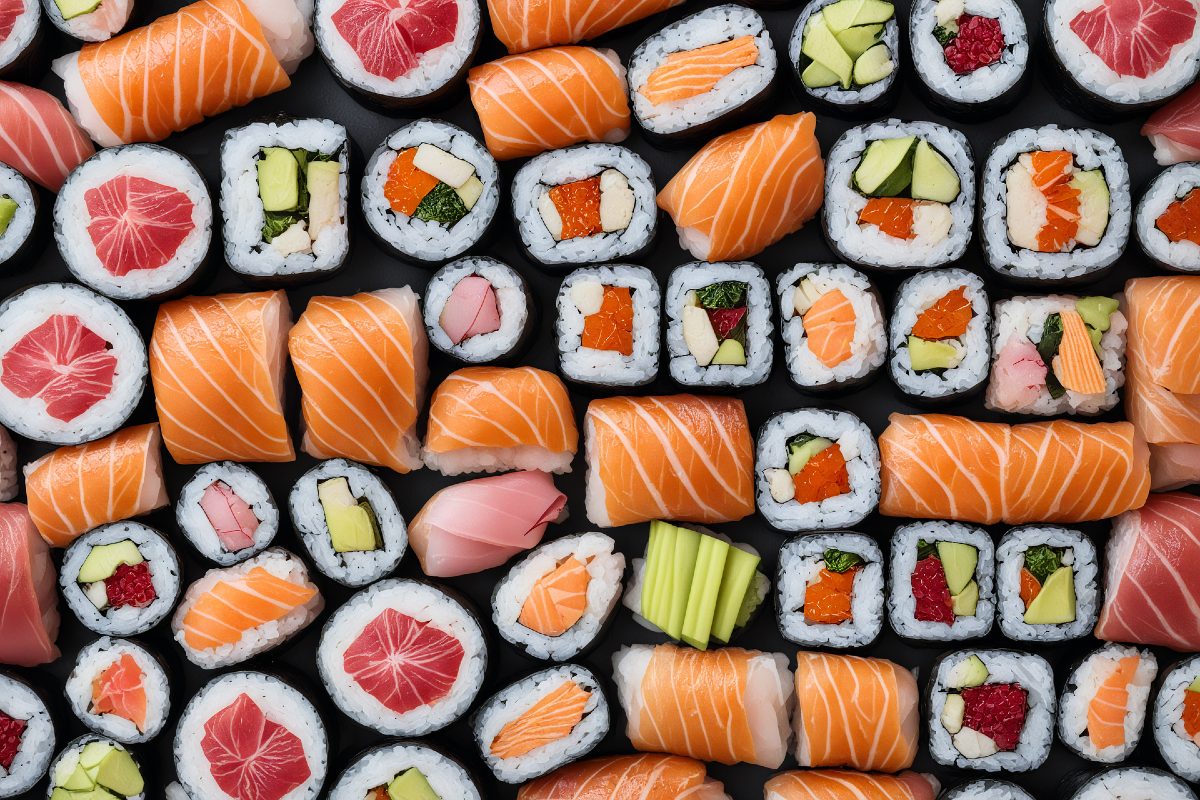
Sushi in Vancouver, BC: The Complete Guide to Japanese Sushi, Popular Varieties, Dining Experiences and Sushi Restaurants
Discover the Art of Sushi, Its Japanese Heritage, Health Considerations, and Vancouver's Diverse Sushi Dining Culture
Published: October 14, 2026
Website: SushiVancouver.com
Category: Japanese Cuisine | Sushi Restaurants | Vancouver Dining Guide
1. Introduction: Discover Sushi in Vancouver, British Columbia
Vancouver is widely recognized for its vibrant international food culture, and Japanese sushi has become an important part of the city's dining landscape.
From traditional nigiri and delicate sashimi to colourful maki rolls, flame-seared aburi sushi, and sophisticated omakase experiences, Vancouver offers a remarkable variety of Japanese dining styles.
Whether you are a longtime sushi enthusiast, a first-time visitor, a family seeking an enjoyable meal, or a tourist exploring British Columbia, understanding sushi can make your dining experience more rewarding.
At SushiVancouver.com, our objective is to help residents and visitors discover sushi restaurants, understand different sushi preparations, explore dining options, and make informed choices.
Our independent directory is designed to connect sushi enthusiasts with participating restaurants throughout Vancouver and surrounding Metro Vancouver communities.
2. What Is Sushi?
Sushi is a traditional Japanese dish built around specially prepared, seasoned rice, commonly combined with seafood, vegetables, eggs, seaweed, or other ingredients.
Contrary to a common misconception, sushi does not necessarily contain raw fish.
The defining characteristic of sushi is its seasoned rice, typically prepared using rice vinegar, sugar, and salt.
Sushi may contain raw seafood, cooked seafood, vegetables, or entirely plant-based ingredients.
Its appeal comes from the balance of flavour, texture, freshness, presentation, and culinary technique.
3. The History and Cultural Heritage of Sushi
Sushi has a long and fascinating history rooted in Japanese food traditions.
Early forms of sushi involved preserving fish through fermentation with rice. Over time, preparation methods evolved, eventually producing the fresh, rice-based sushi styles familiar today.
During Japan's Edo period, nigiri sushi became increasingly popular as a convenient form of prepared food.
Modern sushi has since developed into an internationally appreciated cuisine, while retaining strong connections to Japanese culinary craftsmanship.
In Vancouver, Japanese Canadian communities, restaurateurs, and chefs have played important roles in introducing and popularizing Japanese cuisine.
Today, sushi restaurants range from neighbourhood establishments to specialized chef-led dining experiences.
4. Popular Types of Sushi
Understanding the different styles of sushi helps diners select dishes suited to their preferences.
Nigiri Sushi
Nigiri consists of a small, hand-shaped portion of seasoned rice topped with seafood or another ingredient.
Common toppings include salmon, tuna, shrimp, eel, and various seasonal fish.
Nigiri emphasizes the balance between rice, topping, temperature, and preparation.
Maki Sushi
Maki refers to rolled sushi, commonly prepared with seasoned rice and fillings wrapped in nori seaweed.
Popular varieties include cucumber rolls, tuna rolls, salmon rolls, and combinations of seafood and vegetables.
Uramaki — Inside-Out Rolls
Uramaki features rice on the outside, with seaweed and fillings inside.
California rolls and many contemporary North American specialty rolls use this preparation style.
Temaki — Hand Rolls
Temaki is a cone-shaped sushi roll typically filled with rice, seafood, vegetables, and other ingredients.
Hand rolls are generally intended to be eaten shortly after preparation to preserve the texture of the seaweed.
Oshi Sushi — Pressed Sushi
Oshi sushi is formed using a mould or pressing technique.
Vancouver diners may encounter pressed sushi topped with seafood, sauces, and carefully selected garnishes.
Inari Sushi
Inari sushi consists of seasoned rice enclosed in sweet, savoury tofu pockets.
It is a popular option for diners who prefer sushi without raw fish.
Chirashi Sushi
Chirashi is a bowl of seasoned sushi rice topped with an assortment of seafood, vegetables, and other ingredients.
It offers a different presentation from individual sushi pieces and rolls.
5. Sushi Versus Sashimi: Understanding the Difference
Sushi and sashimi are often served together, but they are not identical.
Sushi contains seasoned rice and may include seafood, vegetables, or other ingredients.
Sashimi consists of carefully sliced fish or other seafood served without sushi rice.
Both preparations require appropriate ingredient selection, handling, and food safety practices.
Diners who prefer to avoid raw seafood can explore cooked sushi rolls, vegetarian sushi, or other Japanese dishes.
6. Popular Sushi Rolls in Vancouver
Vancouver sushi menus frequently include both traditional Japanese preparations and contemporary North American creations.
California Roll
Typically made with imitation crab or crab, avocado, and cucumber, the California roll is a familiar choice for beginners.
B.C. Roll
A regional favourite commonly featuring cooked or grilled salmon skin and cucumber.
Its ingredients and preparation may vary by restaurant.
Dynamite Roll
Often prepared with shrimp tempura, vegetables, rice, and seaweed.
Spicy Tuna Roll
A combination of tuna and spicy seasoning or sauce, with recipes varying among restaurants.
Salmon Avocado Roll
A popular combination offering the richness of salmon and the creamy texture of avocado.
Rainbow Roll
Usually features a California-style roll topped with assorted fish and avocado.
Vegetarian Roll
May include cucumber, avocado, pickled vegetables, asparagus, or other plant-based ingredients.
Dragon Roll
A contemporary specialty roll often incorporating eel, shrimp tempura, avocado, or decorative toppings.
Restaurant recipes vary, so diners with allergies or dietary restrictions should confirm ingredients before ordering.
7. Aburi Sushi: The Art of Flame-Seared Sushi
Aburi refers to a preparation technique in which the surface of an ingredient is lightly seared.
The technique can create appealing contrasts in flavour and texture.
In Vancouver, aburi-style sushi has become especially recognizable through flame-seared seafood and pressed sushi preparations.
However, lightly searing the surface does not necessarily cook the entire piece.
Diners who need to avoid raw or undercooked seafood should ask whether the dish is fully cooked.
8. Omakase: A Chef-Guided Japanese Dining Experience
Omakase is a Japanese dining concept in which guests entrust the selection of dishes to the chef.
An omakase experience may feature seasonal seafood, specialized preparation techniques, and a carefully arranged sequence of courses.
Menus, pricing, duration, and reservation policies vary considerably.
Before choosing an omakase restaurant, diners should confirm:
- The number of courses
- The price per person
- Dietary accommodation policies
- Whether reservations are required
- Cancellation conditions
- Beverage and gratuity arrangements
Omakase may appeal to diners interested in exploring Japanese culinary traditions and chef-selected seasonal ingredients.
9. Why Vancouver Is a Popular Sushi Destination
Several factors contribute to Vancouver's established sushi culture.
Pacific Coast Location: British Columbia's coastal setting contributes to the region's strong seafood identity.
Japanese Culinary Heritage: Japanese Canadian communities and restaurateurs have helped shape Vancouver's dining traditions.
Culinary Diversity: Restaurants offer traditional Japanese sushi alongside contemporary regional interpretations.
Varied Dining Formats: Diners can explore takeaway counters, casual restaurants, family dining, and premium chef-led experiences.
Local Ingredients: Some restaurants incorporate seafood and seasonal ingredients associated with the Pacific Northwest.
International Influences: Vancouver's multicultural food scene encourages creative interpretations while providing opportunities to experience traditional preparations.
10. How to Choose a Sushi Restaurant in Vancouver
Selecting a sushi restaurant involves more than simply comparing menu prices.
Consider the following factors.
Food Quality and Handling
Look for restaurants that demonstrate appropriate food handling, cleanliness, and professional preparation.
Menu Variety
Some restaurants specialize in traditional nigiri and sashimi, while others focus on rolls, vegetarian choices, cooked dishes, or omakase.
Restaurant Atmosphere
Choose an establishment suited to your occasion, whether a casual lunch, family dinner, business meeting, or special celebration.
Price Transparency
Review menus and confirm prices, particularly for chef-selected meals, seasonal seafood, and special promotions.
Dietary Requirements
Ask about allergens, cross-contact risks, vegetarian preparation, and gluten-containing sauces.
Accessibility and Convenience
Consider location, parking, public transportation, accessibility, takeaway availability, and restaurant hours.
Customer Feedback
Reviews may provide useful perspectives, but individual experiences vary. Consider multiple sources rather than relying on a single rating.
11. Sushi Food Safety: What Diners Should Know
Food safety is particularly important when consuming raw or lightly cooked seafood.
Restaurants should follow applicable food safety requirements concerning sourcing, storage, temperature control, preparation, and sanitation.
Raw fish may carry risks from parasites or harmful microorganisms.
Freezing under appropriate conditions can control certain parasites, but it does not eliminate every food safety hazard.
Pregnant individuals, young children, older adults, and people with weakened immune systems face increased risks from raw or undercooked seafood and should choose thoroughly cooked alternatives.
People with seafood allergies should also ask about ingredients and possible cross-contact.
No restaurant can guarantee that every food item is entirely risk-free.
12. Nutritional Considerations: Can Sushi Be Part of a Healthy Diet?
Sushi can be part of a balanced diet, depending on the ingredients, portion sizes, and preparation.
Fish may provide protein and beneficial omega-3 fatty acids.
Vegetables can contribute fibre, vitamins, and minerals.
However, nutritional content varies.
Some specialty rolls contain significant amounts of sodium, added sauces, fried ingredients, or refined carbohydrates.
Certain fish species also contain higher mercury levels than others.
Diners may benefit from selecting a variety of seafood, including lower-mercury choices, and considering their individual dietary needs.
13. Vegetarian and Vegan Sushi Options
Sushi is not exclusively a seafood-based cuisine.
Many restaurants offer vegetarian or vegan choices, including:
- Avocado rolls
- Cucumber rolls
- Pickled radish rolls
- Vegetable maki
- Inari sushi
- Mushroom rolls
- Asparagus rolls
- Vegetable hand rolls
Vegan diners should confirm whether sauces, broths, garnishes, or other ingredients contain fish, eggs, or animal-derived products.
14. Sushi Etiquette: Enjoying Japanese Dining Traditions
Understanding a few basic customs can enhance the sushi dining experience.
Chopsticks or Fingers: Both may be appropriate for certain types of sushi.
Soy Sauce: Use modest quantities so the flavour of the sushi is not overwhelmed.
Wasabi: Add according to personal preference, recognizing that some sushi may already contain wasabi.
Pickled Ginger: Traditionally eaten between different pieces to refresh the palate.
Respect for the Chef: At chef-led counters, allow the chef to explain the intended presentation and eating sequence.
Dietary Communication: Mention allergies or important restrictions before ordering.
Dining customs vary by restaurant, and guests should feel comfortable asking questions.
15. Exploring Sushi Across Vancouver Neighbourhoods
Vancouver offers opportunities to explore Japanese dining across numerous neighbourhoods.
Downtown Vancouver: Convenient for office workers, visitors, and those seeking casual or upscale dining.
West End: A lively residential and dining area with a broad range of international cuisines.
Kitsilano: Popular for neighbourhood dining, casual meals, and family outings.
Yaletown: Known for contemporary restaurants and special-occasion dining.
Mount Pleasant: A growing food destination with independent restaurants and creative dining concepts.
Commercial Drive: Offers a diverse neighbourhood restaurant scene.
Richmond, Burnaby, Surrey, and North Vancouver: These surrounding communities also provide opportunities to discover sushi and Japanese cuisine.
Restaurant availability and specific offerings should always be verified.
16. Sushi Takeaway, Delivery and Family Dining
Sushi is a popular choice for both restaurant dining and takeaway.
Many diners appreciate the convenience of sushi combinations, bento meals, vegetarian rolls, and family platters.
When ordering takeaway or delivery, consider travel time, food temperature, packaging, and whether raw seafood can be consumed promptly and safely.
Restaurants may also offer catering platters for offices, celebrations, and group gatherings.
Ordering arrangements and availability vary by establishment.
17. Sustainable Seafood and Responsible Dining
Responsible seafood sourcing is an increasingly important consideration for environmentally conscious diners.
Some restaurants choose seafood based on sustainability guidance, supplier information, and responsible fishing or aquaculture practices.
Diners interested in sustainability may ask restaurants about seafood origins and sourcing policies.
Independent programs such as Ocean Wise provide educational resources concerning sustainable seafood choices.
Sustainability claims should be evaluated using credible information rather than assumptions based solely on menu descriptions.
18. Discover Sushi Restaurants Through SushiVancouver.com
SushiVancouver.com is being developed as an independent online directory dedicated to sushi restaurants and Japanese dining experiences throughout Vancouver and surrounding communities.
Our goal is to make restaurant discovery easier by helping visitors explore:
- Sushi restaurant locations
- Restaurant descriptions and specialties
- Traditional and contemporary sushi styles
- Takeaway and dining options
- Restaurant contact information
- Website and menu links
- Featured participating establishments
Visitors should independently confirm restaurant hours, prices, menus, accessibility, and availability.
Directory inclusion does not constitute a guarantee of food quality, safety, or dining satisfaction.
19. An Invitation to Vancouver Sushi Restaurant Owners
Do you own or operate a sushi restaurant, Japanese dining establishment, sushi takeaway business, or specialty sushi bar in Metro Vancouver?
SushiVancouver.com welcomes inquiries from restaurant owners interested in increasing their online visibility.
Our directory is designed to help participating restaurants present their cuisine, specialties, location, and dining options to prospective customers.
Listing opportunities may include restaurant profiles, photographs, menu information, contact details, and links to official restaurant websites.
Paid advertising and featured listing opportunities may be available.
Participation does not guarantee customer inquiries, reservations, orders, or sales.
Interested restaurant operators are welcome to contact SushiVancouver.com for additional information.
20. Conclusion: Discover the Diversity of Sushi in Vancouver
Sushi offers a fascinating combination of Japanese culinary heritage, careful preparation, fresh ingredients, and creative presentation.
Vancouver's diverse dining culture provides opportunities to explore traditional nigiri, contemporary sushi rolls, vegetarian selections, flame-seared specialties, and chef-led omakase experiences.
Whether you are discovering sushi for the first time or exploring new dining experiences, understanding different sushi styles and selecting restaurants thoughtfully can make every visit more enjoyable.
SushiVancouver.com aims to become a convenient, informative resource for discovering sushi and Japanese dining throughout Metro Vancouver.
Explore the flavours, traditions, and dining experiences that make sushi such a distinctive part of Vancouver's food culture.
Editorial and Directory Disclaimer
This article is intended for general culinary education and restaurant discovery.
SushiVancouver.com is an independent information and advertising directory. We do not prepare or sell food, operate listed restaurants, or independently guarantee food safety, ingredients, service quality, or restaurant availability.
Restaurants are independently responsible for their operations, food preparation, regulatory compliance, customer service, and advertising claims.
Readers should contact individual restaurants to verify current information and discuss allergies or dietary restrictions.